
Introduction
Embedded automotive testing has entered a period of structural transformation. As vehicles evolve into software-defined platforms, verification effort increasingly centres on software correctness, safety assurance, and system-level reliability rather than purely electronic functionality.
This transition expands the verification boundary across the entire automotive software lifecycle, from requirements and architecture through integration, qualification, and operational update. The resulting complexity demands disciplined methodologies aligned with functional safety, process compliance, and automation-driven validation.
Five Key Learning Points
| Key learning point | Link to detailed explanation | External reference |
| Software-defined vehicles shift verification from hardware focus to software lifecycle assurance | Software-Defined Vehicles and Verification Scope | ISO 26262 functional safety lifecycle [1] |
| Functional safety frameworks govern validation across the automotive V-cycle | Functional Safety and ISO 26262 Validation | Automotive SPICE process assessment model [2] |
| ADAS and AI introduce probabilistic behaviour that challenges deterministic testing | AI-Driven ADAS Verification Challenges | AUTOSAR architecture and safety integration [3] |
| Cybersecurity, OTA updates, and connectivity expand the verification boundary | Connected Vehicle Risk and Compliance | Automotive cybersecurity and lifecycle assurance guidance [1][2] |
| Automation, coverage analysis, and tool qualification enable scalable assurance | Automation and Compliance-Driven Testing | Safety-compliant verification and coverage practices [4] |
Software-Defined Vehicles and Verification Scope
Software-defined vehicles fundamentally alter the relationship between hardware and functionality. Capabilities that were historically fixed in electronic control units are now delivered, updated, and extended through software.
Verification must therefore address:
- Continuous software evolution
- Cross-domain interaction between safety-critical and non-critical systems
- Lifecycle validation beyond production release
This shift elevates embedded automotive testing from component validation to system-level behavioural assurance.
Functional Safety and ISO 26262 Validation
Automotive verification is governed by structured safety frameworks that define acceptable risk and the validation evidence required. ISO 26262 establishes requirements for hazard analysis, determination of Automotive Safety Integrity Level, and traceable verification throughout the development lifecycle.
Testing must therefore demonstrate:
- Correct functional behaviour under normal and fault conditions
- Deterministic timing and real-time response
- Coverage and traceability aligned with safety goals
This transforms verification into a safety argument supported by measurable evidence, rather than a purely technical confidence exercise.
Figure 1 illustrates End-to-end verification from system requirements through software integration and qualification, and how assurance propagates through the automotive lifecycle. Each development stage introduces verification artefacts that collectively support functional safety compliance and release confidence.
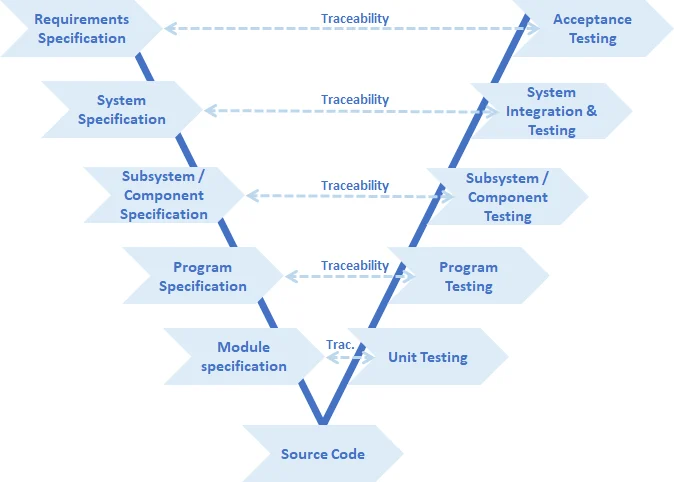
Figure 1: Automotive Software V-Cycle Validation Flow. Source: researchgate.net
AI-Driven ADAS Verification Challenges
Advanced driver-assistance systems introduce probabilistic perception, sensor fusion, and machine-learning decision logic. Unlike deterministic embedded control, these behaviours depend on environmental variability and statistical confidence.
Verification must therefore extend beyond traditional unit and integration testing to include:
- Scenario-based simulation at scale
- Dataset representativeness and bias control
- Performance validation under edge-case conditions
These requirements redefine testing as evidence generation for uncertain environments, rather than confirmation of fixed logic.
Connected Vehicle Risk and Compliance
Modern vehicles operate as distributed cyber-physical systems connected through networks, cloud services, and over-the-air update mechanisms.
This connectivity introduces new verification domains:
- Cybersecurity resilience and threat response
- Software update integrity and rollback safety
- Data privacy and regulatory compliance
Testing must therefore integrate security validation, operational monitoring, and lifecycle governance to ensure reliability beyond initial deployment.
Figure 2 illustrates how verification responsibility extends beyond in-vehicle execution to include cloud connectivity, cybersecurity resilience, operational monitoring, and software update control, forming a continuous assurance framework for connected automotive systems.
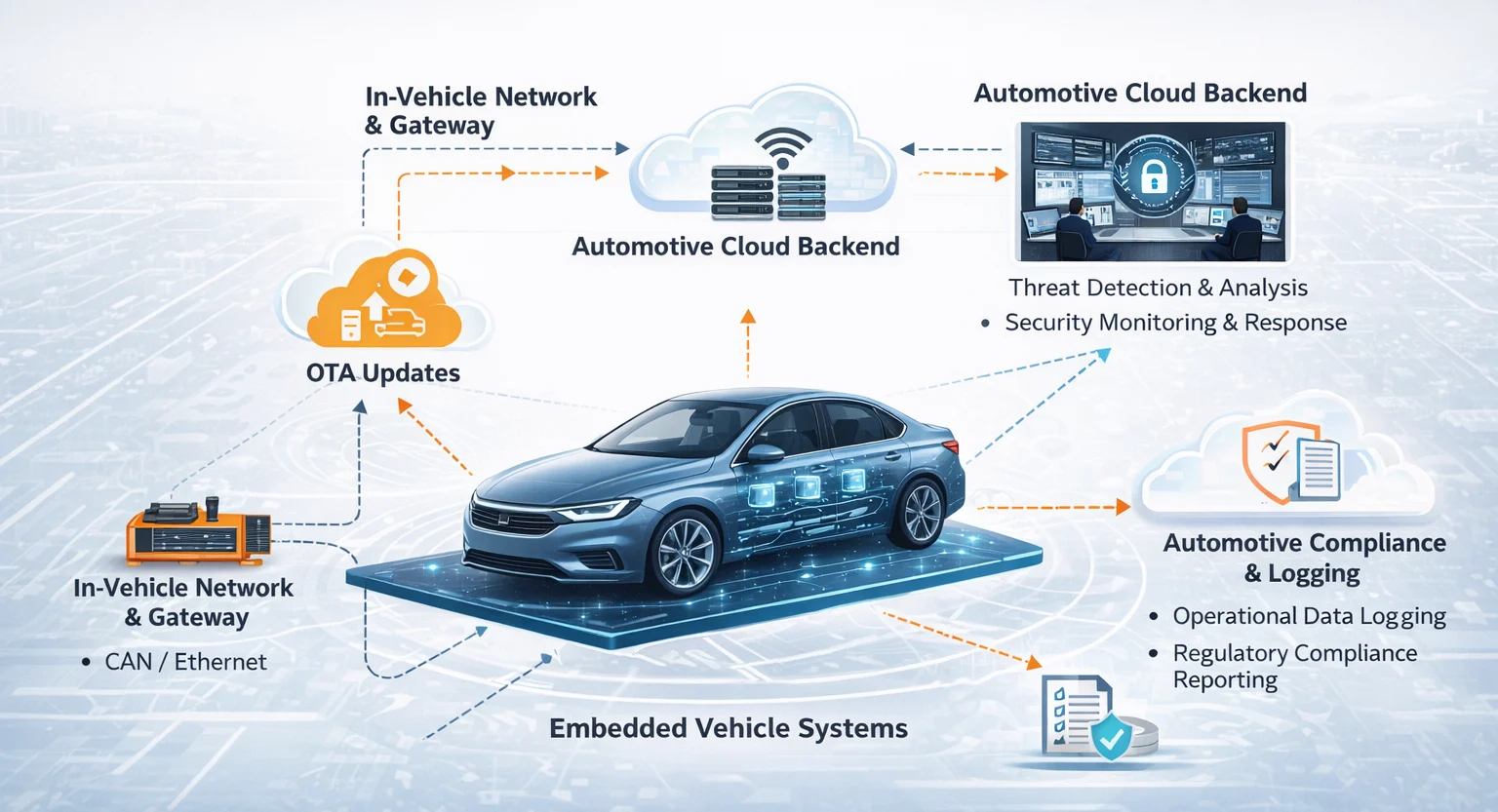
Figure 2: System-Level View of Connected Automotive Software Assurance
Automation and Compliance-Driven Testing
The scale and complexity of automotive software prohibit manual verification approaches. Automation, coverage measurement, and qualified toolchains, therefore, become essential for sustainable assurance.
Key enablers include:
- Continuous integration pipelines for embedded builds
- Structural coverage metrics such as MC/DC
- Qualified analysis and reporting tools supporting compliance audits
Automation transforms verification from periodic validation into continuous assurance integrated with development.
Figure 3 illustrates how Automotive SPICE-governed engineering, support, and assurance processes integrate with automated verification, coverage measurement, and continuous integration pipelines to generate traceable compliance evidence across the software lifecycle [2].
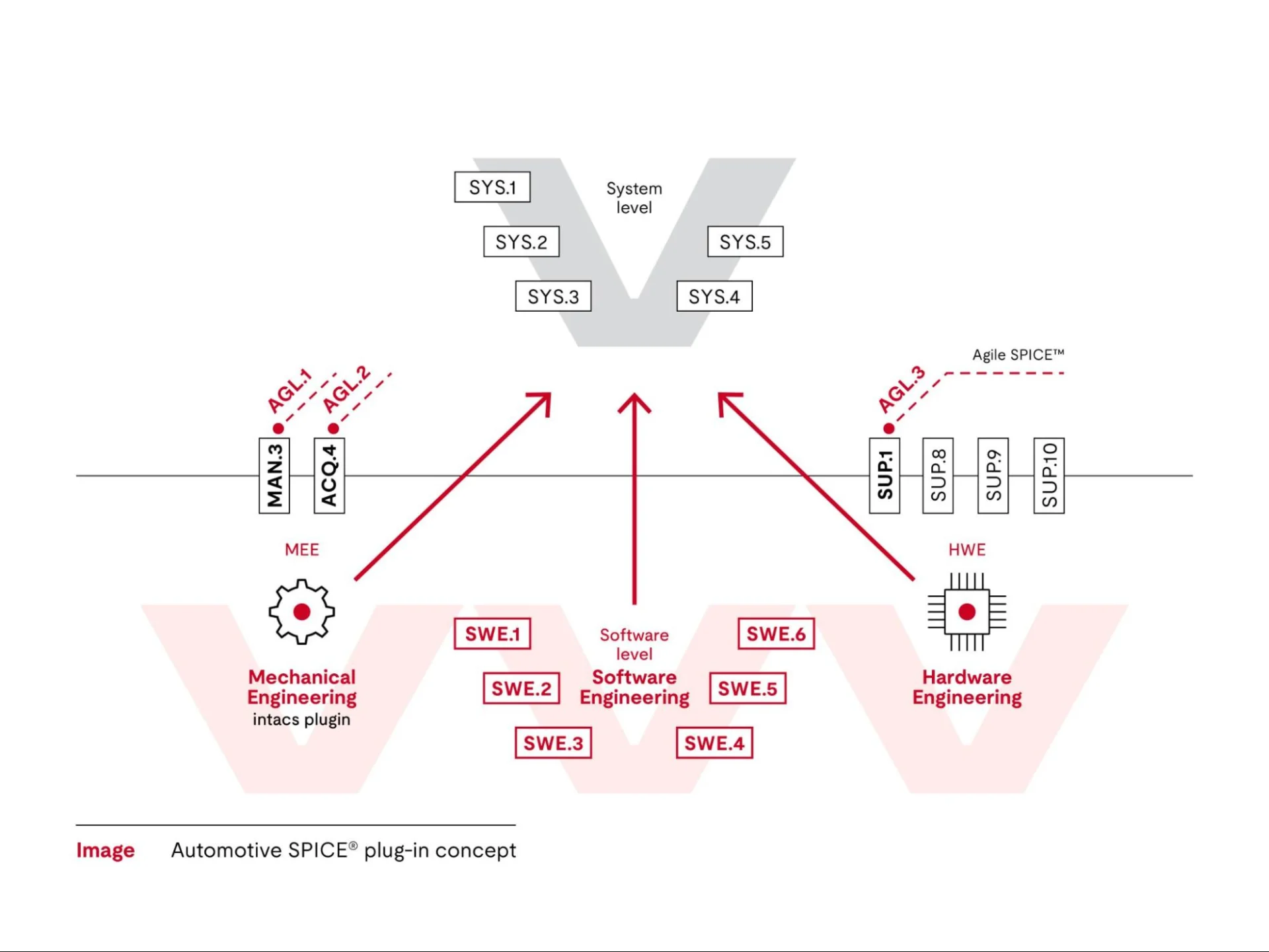
Figure 3: Automated Compliance-Oriented Automotive Test Architecture. Source: ul.com
Implications for Future Automotive Verification
Several structural trends now define embedded automotive testing:
- Software behaviour dominates system risk.
- Functional safety frameworks govern validation evidence.
- AI-driven perception requires probabilistic assurance methods.
- Connectivity extends verification into operational environments.
- Automation enables scalable compliance and lifecycle confidence.
Together, these trends establish verification as the central discipline enabling safe software-defined mobility.
Automotive Embedded Software Testing Webinar Highlights
These themes were explored in the recent Automotive Embedded Software Testing webinar, which examined:
- End-to-end validation across the automotive V-cycle
- Functional safety analysis and ASIL-driven verification
- AUTOSAR software stack and driver validation
- ADAS and AI system testing methodologies
- Cybersecurity, OTA, and predictive maintenance assurance
- Tool qualification, coverage, and compliance reporting
Further details and event information are available here:
👉 https://www.tickettailor.com/events/alpinumconsulting/1928732
Also check:
👉 https://alpinumconsulting.com/blogs/embedded-services/embedded-software-design-and-testing-services/
For technical discussion or collaboration with Alpinum Consulting:
👉 https://alpinumconsulting.com/contact-us/
References
[1] ISO 26262 Road Vehicles – Functional Safety Standard. https://www.iso.org/standard/68383.html
[2] Automotive SPICE Process Assessment Model. https://www.ul.com/sis/resources/understanding-aspice
[3] AUTOSAR Software Architecture Documentation. https://www.autosar.org/standards/classic-platform/
[4] Automotive Embedded Software Testing Webinar, Alpinum Consulting. https://www.tickettailor.com/events/alpinumconsulting/1928732

Written by : Mike Bartley
Mike started in software testing in 1988 after completing a PhD in Math, moving to semiconductor Design Verification (DV) in 1994, verifying designs (on Silicon and FPGA) going into commercial and safety-related sectors such as mobile phones, automotive, comms, cloud/data servers, and Artificial Intelligence. Mike built and managed state-of-the-art DV teams inside several companies, specialising in CPU verification.
Mike founded and grew a DV services company to 450+ engineers globally, successfully delivering services and solutions to over 50+ clients.
Mike started Alpinum in April 2016 to deliver a range of start-of-the art industry solutions:
Alpinum AI provides tools and automations using Artificial Intelligence to help companies reduce development costs (by up to 90%!) Alpinum Services provides RTL to GDS VLSI services from nearshore and offshore centres in Vietnam, India, Egypt, Eastern Europe, Mexico and Costa Rica. Alpinum Consulting also provides strategic board level consultancy services, helping companies to grow. Alpinum training department provides self-paced, fully online training in System Verilog, UVM Introduction and Advanced, Formal Verification, DV methodologies for SV, UVM, VHDL and OSVVM and CPU/RISC-V. Alpinum Events organises a number of free-to-attend industry events
You can contact Mike (mike@alpinumconsulting.com or +44 7796 307958) or book a meeting with Mike using Calendly (https://calendly.com/mike-alpinum-consulting).
Stay Informed and Stay Ahead
Latest Articles, Guides and News
Explore related insights from Alpinum that dive deeper into design verification challenges, practical solutions, and expert perspectives from across the global engineering landscape.