
ASIC Design Verification Services and SoC Verification Consulting

Engineering-Led Semiconductor Design Verification Services

Modern semiconductor systems integrate billions of transistors, complex IP blocks, and highly configurable architectures. As chip complexity increases, verification has become the most demanding stage of silicon development.

Many organisations now rely on specialised ASIC verification services and SoC verification consulting to ensure their designs behave correctly before fabrication.

Alpinum Consulting works with semiconductor companies worldwide to strengthen verification strategies, improve coverage, and resolve verification bottlenecks in demanding silicon projects.

Our engineers provide semiconductor design verification services across ASIC, FPGA, and embedded system development, helping organisations deliver reliable silicon with confidence.

Speak with a Verification Expert

Industry Challenges in Semiconductor Design Verification

Verification effort in modern semiconductor projects typically represents 60–80% of the overall engineering workload. As architectures evolve, the difficulty of ensuring correct behaviour across all operating conditions continues to increase.

Increasing SoC Complexity

Contemporary System-on-Chip architectures combine multiple subsystems including:

  • multi-core processors
  • hardware accelerators
  • complex memory hierarchies
  • high-speed interfaces
  • third-party intellectual property

The interaction between these components produces enormous verification state spaces that cannot be explored through simple directed testing.

Integration of Third-Party IP

Modern SoC development often depends on external IP blocks for critical functionality.

Examples include:

  • PCIe controllers
  • networking subsystems
  • security modules
  • AI accelerator engines

Ensuring correct integration of these components requires rigorous SoC verification consulting and methodology planning.

Configurable Architectures

Architectures such as RISC-V allow extensive configurability and extension. While this flexibility enables innovation, it also increases verification complexity by expanding the range of possible system behaviours.

Late Silicon Failures

Incomplete verification can lead to design issues discovered only during:

  • silicon bring-up
  • hardware integration
  • manufacturing test

Such failures often require costly silicon respins and can significantly delay product launches.

Verification Bottlenecks

Common verification problems encountered by semiconductor teams include:

  • incomplete verification planning
  • inefficient testbench architecture
  • limited functional coverage
  • long regression cycles
  • difficult debugging processes

For these reasons, many organisations seek external silicon verification experts who can help establish robust verification flows and accelerate verification closure.

Alpinum Expertise in ASIC and SoC Verification

Alpinum Consulting provides ASIC design verification services and SoC verification consulting to semiconductor companies developing advanced silicon systems.
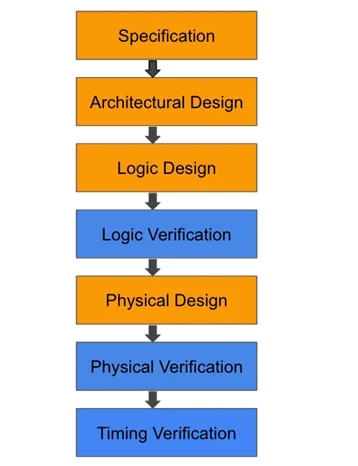
Our engineers bring practical experience across multiple semiconductor domains including:

  • ASIC development
  • FPGA prototyping
  • embedded systems engineering
  • silicon validation
  • complex SoC architecture verification

Rather than focusing solely on tools, our approach emphasises engineering workflows, methodology, and system-level thinking.

Our verification consulting supports teams in:

  • establishing scalable verification environments
  • improving verification productivity
  • diagnosing complex functional failures
  • achieving reliable verification closure
  • supporting silicon bring-up activities

Organisations engage Alpinum when they require independent silicon verification experts capable of supporting challenging semiconductor development programmes.

ASIC Design Verification Services for Modern SoC Development

Semiconductor companies developing advanced ASICs increasingly require specialised SoC verification consulting to manage the complexity of modern chip architectures.

Alpinum provides engineering expertise across a wide range of verification challenges including:

  • large-scale SoC verification environments
  • verification IP integration
  • processor and subsystem validation
  • high-speed protocol verification
  • silicon debugging and bring-up

Our ASIC verification services help organisations reduce project risk while improving the efficiency of verification workflows.

Design Verification Methodology

Effective verification requires structured engineering processes that ensure all design behaviours are systematically validated.

Every successful verification programme begins with a clearly defined verification plan.

Key elements typically include:

  • functional requirement identification
  • coverage objectives
  • verification architecture definition
  • testbench strategy

A well-structured verification plan ensures that verification goals remain aligned with design intent throughout the project lifecycle.

Modern verification environments are commonly built using layered testbench architectures.

These environments often rely on methodologies such as UVM (Universal Verification Methodology) and include verification components organised around the Design Under Test (DUT).

Typical verification components include:

  • drivers
  • monitors
  • protocol verification components
  • scoreboards
  • constrained random stimulus generators

These elements enable scalable verification across complex subsystems.

Simulation remains a central component of most semiconductor verification flows.

Efficient regression environments typically include:

  • automated test execution
  • regression dashboards
  • coverage monitoring tools
  • debugging automation

Well-designed regression infrastructure enables verification teams to detect design issues quickly and improve verification efficiency.

Coverage analysis provides objective measurement of verification completeness.

Typical coverage metrics include:

  • functional coverage
  • code coverage
  • assertion coverage
  • protocol coverage

Coverage-driven verification enables teams to identify untested behaviours and close verification gaps.

Debugging complex verification failures requires systematic investigation of simulation results.

Engineers typically analyse:

  • waveform traces
  • assertion failures
  • protocol violations
  • simulation logs

Efficient debugging workflows can significantly reduce development delays and improve verification productivity.

Get in touch with us today and explore how our multi-domain expertise can benefit your project!

Get in touch with us today and explore how our multi-domain expertise can benefit your project!

ASIC Verification Services and Consulting Capabilities

Alpinum provides semiconductor design verification services covering the entire verification lifecycle.

Verification Architecture Development
UVM Verification Environment Development
IP Integration Verification
Protocol Verification
Verification Closure Support
Silicon Bring-Up and Debug Support

Tools and Technologies

Typical technologies used in semiconductor verification projects include:

Verification Languages

  • SystemVerilog
  • VHDL

Verification Methodologies

  • UVM (Universal Verification Methodology)
  • assertion-based verification

EDA Platforms

  • Synopsys
  • Cadence
  • Siemens EDA

Hardware Validation Platforms

  • FPGA prototyping systems
  • JTAG debugging tools
  • silicon validation boards
  • logic analysers

Industries Served

Design verification consulting supports semiconductor development across many industry sectors.

Automotive Semiconductor
Artificial Intelligence Processors
Networking and Data Centre ASICs
IoT Chipsets
Artificial Intelligence Processors

Why Semiconductor Companies Choose Alpinum

Several factors distinguish Alpinum Consulting within the semiconductor consulting ecosystem.

Our consultants bring hands-on experience across multiple semiconductor development domains.
We prioritise practical solutions grounded in real semiconductor design and verification workflows.
Companies can engage Alpinum for:

  • short consulting engagements
  • project rescue support
  • long-term engineering collaboration
Our engineers support semiconductor companies across:

  • the United Kingdom
  • Europe
  • the United States
  • the global semiconductor ecosystem

Consulting Engagement Models

Semiconductor companies can work with Alpinum through several engagement approaches.

Verification Consulting

Advisory support to improve verification strategies and methodologies.

Project Rescue Support

Specialist assistance for projects experiencing verification delays or complex debugging challenges.

Architecture Review

Independent evaluation of verification infrastructure and development processes.

Staff Augmentation

Experienced verification engineers integrated into project teams.

End-to-End Verification Delivery

Complete verification environment development and verification execution.

Ready to de-risk your ASIC or SoC verification programme?

Whether you are verifying a new ASIC architecture, integrating third-party IP, or strengthening verification coverage before tape-out, Alpinum can support your team with experienced silicon verification experts and practical engineering delivery.

Design Verification Services and
Specialised Verification Solutions

Discuss Your Design Verification Project with Our Engineers

Our team supports semiconductor companies developing complex ASIC and SoC architectures across Europe, the UK, and global markets.

Prefer direct email?
Write to mike@alpinumconsulting.com

Book a quick meeting with Mike:
https://calendly.com/mike-alpinumconsulting

    Frequently Asked Questions

    ASIC verification services provide specialised engineering expertise to ensure semiconductor designs behave correctly before fabrication. These services typically include verification planning, testbench development, simulation infrastructure, coverage analysis, and debugging support.
    SoC verification consulting helps semiconductor companies design and implement scalable verification strategies for complex system-on-chip architectures.
    Verification identifies functional issues before silicon fabrication, preventing expensive design errors and costly respins.
    Modern verification environments typically rely on SystemVerilog, UVM, simulation platforms, and advanced debugging tools.
    Pre-silicon verification uses simulation and modelling techniques to validate designs before fabrication, while post-silicon validation tests physical chips after manufacturing.
    Semiconductor companies often engage verification consultants when internal resources are limited, when specialised expertise is required, or when projects encounter verification bottlenecks.